

Green Technology Adoption for Artisans: Why Your Craft Depends on It
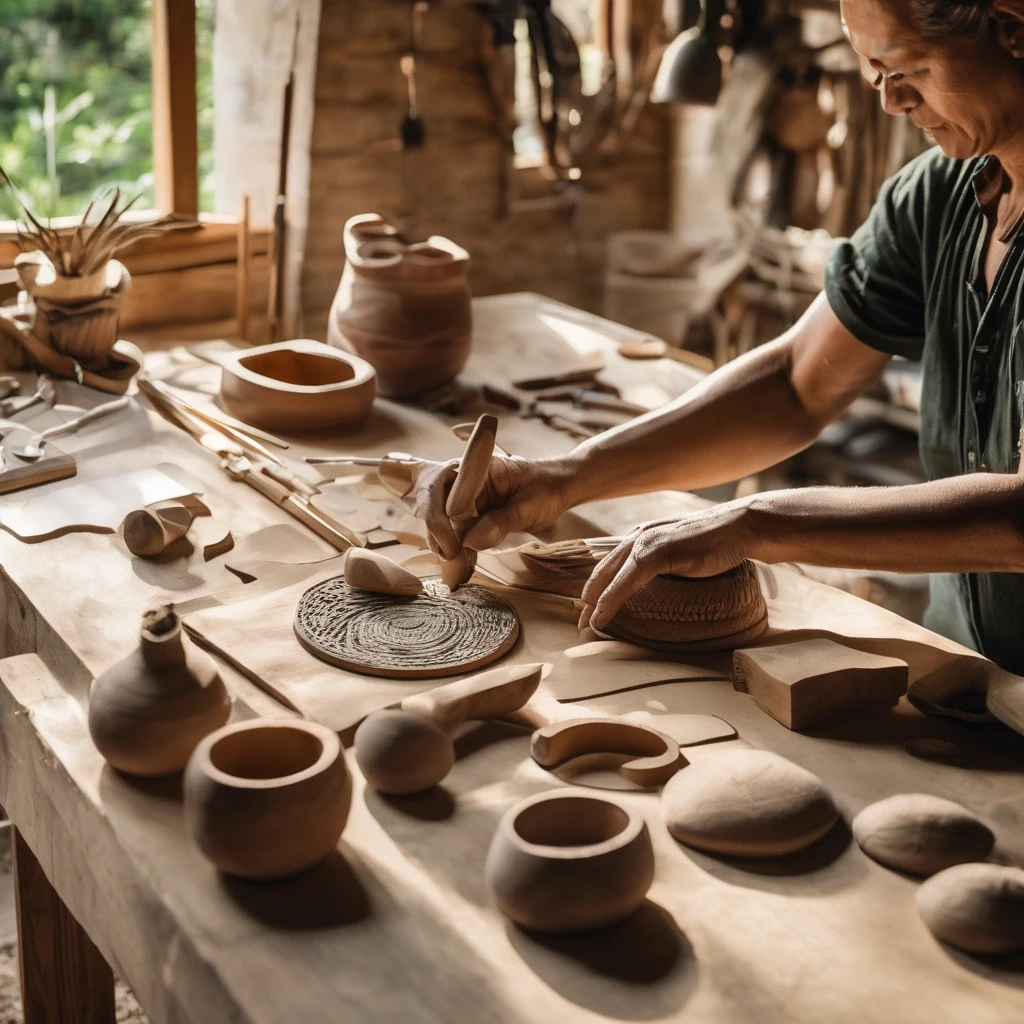
Green technology adoption is reshaping how artisans approach their craft, and those who ignore it risk losing both customers and resources. Traditional methods often rely on energy-intensive processes and materials that are becoming scarce or regulated. Consumers increasingly favour sustainable products, whilst environmental standards tighten across industries.
This shift doesn’t mean abandoning your craft traditions. Indeed, it’s about protecting them for future generations. We’ll explore what green technology means for artisans, why it matters for your business, and practical steps to integrate sustainable practises without compromising quality or breaking the bank.
What is green technology for artisans
The term green technology gained mainstream attention in the early 2000s, though the concept traces back to ancient civilizations using irrigation systems, wind and water power for mills, and sustainable agriculture. Green tech refers to technologies that reduce negative impact on the environment. It’s a broad umbrella term including sectors such as renewable energy, green mobility, recycling and sustainable buildings.
Defining green technology in craft context
Within the artisan world, green technology adoption takes on a specific meaning. Craft refers to the skill whilst technology refers to the tools. For artisans, green technology means adopting tools, processes and materials that minimise environmental harm without compromising the quality of handcrafted work. This ranges from solar-powered equipment to water-efficient dyeing techniques and sustainable material sourcing platforms.
The Industrial Revolution in the 1800s-1900s led to devastating environmental degradation, prompting scientists to seek ways to reduce pollution from coal plants and sparking early green tech innovation. As we entered the 20th century, major milestones emerged including the environmental movement after WWII and the creation of the EPA in 1970. Solar, wind, and battery storage are now cost-competitive with fossil fuels, driving a shift towards clean energy.
The difference between general tech and green tech
Green tech differs from related terms that often cause confusion. Clean Tech focuses on upgrading existing systems to be more environmentally friendly, representing improvements to reduce pollution and waste in industries such as energy production, manufacturing, and transportation. Climate Tech is a broader category that includes technologies specifically designed to combat climate change by supporting decarbonization, energy transition, and emissions reduction.
For artisans, this distinction matters. Whilst general technology might increase production efficiency through automation or digital tools, green technology specifically addresses environmental impact. Renewable energy technologies such as solar and wind power can be classified as green, clean, and climate tech simultaneously because they reduce ecological footprints, improve existing energy infrastructures, and mitigate greenhouse gas emissions.
Current environmental impact of traditional craft practises
Traditional crafts present a paradox in environmental terms. Many practises rely on locally sourced, renewable materials like bamboo, cotton, jute, wool, and clay. These materials minimise the carbon footprint compared to synthetic alternatives. The techniques, often using low-energy or manual processes, reduce environmental impact. Artisans typically use every part of the material, leaving little to no waste behind.
Research into the carbon footprint of various industries consistently highlights the significant impact of technology manufacturing and e-waste. In contrast, studies on specific crafts, such as handloom weaving or natural dyeing, demonstrate significantly lower environmental burdens 5. Traditional textile weaving often uses natural fibres which are biodegradable and have a lower environmental impact than synthetic fibres.
However, not all traditional practises are inherently sustainable. Some may rely on unsustainable harvesting of natural resources or involve the use of environmentally harmful substances. A nuanced approach is needed to assess the environmental sustainability of specific crafts, taking into account the entire lifecycle of materials and products. Research into sustainable materials and production techniques relevant to traditional crafts is gaining momentum, exploring options such as natural fibres, plant-based dyes, and waste valorization.
Why green technology matters for your craft business
Market forces are pushing artisans towards green technology adoption whether they’re ready or not. The numbers tell a compelling story about consumer behaviour, regulatory pressure, and economic viability.
Rising consumer demand for sustainable products
Consumer preferences have shifted dramatically towards eco-friendly products. In fact, 73% of millennials are willing to pay more for sustainable goods and doing business with companies who are eco-conscious. This isn’t just sentiment – it translates into market share. The handicrafts market in North America accounted for 28.51% of global market revenue in 2024, driven by rising consumer interest in sustainable and locally-made products.
The rising demand for unique, handmade, and culturally significant products acts as a key driver, as consumers increasingly value craftsmanship and eco-friendly goods over mass-produced items. Environmental concerns continue to influence buying behaviour, with demand for handcrafted goods made from natural materials increasing steadily. Correspondingly, sustainable handicrafts offer a viable economic opportunity for artisans by tapping into this growing market for eco-conscious products.
Environmental regulations affecting artisans
Regulatory frameworks are tightening for businesses of all sizes. The Small Business Compliance Policy promotes environmental compliance among small businesses (those with 100 or fewer employees) by providing incentives to discover and correct environmental problems. The EPA will eliminate or significantly reduce penalties for small businesses that voluntarily discover violations of environmental law and promptly disclose and correct them.
Cost savings through sustainable practises
Implementing environmentally friendly and sustainable practises offers significant financial advantages. Reducing waste, optimising energy use, and sourcing sustainable materials reduce expenses whilst enhancing company reputation. Installing occupancy sensors with high-efficiency LED lighting that turns off when not being used can reduce energy consumption and environmental impact by up to 75 percent and significantly cut electricity costs.
Tax incentives sweeten the deal further. Solar panels remain an effective way to receive a tax break worth more than 30% of the total installation cost, not including the monthly savings in energy expenses.
Long-term viability of traditional materials
Material availability presents a growing concern. The pressure to scale up production to meet demand can compromise traditional values, potentially leading to unsustainable resource extraction. Research into sustainable materials and production techniques relevant to traditional crafts is gaining momentum, exploring options such as natural fibres, plant-based dyes, and waste valorisation.
Sustainable handicrafts drive tourism and highlight the unique cultural heritage of a region, further bolstering local economies. Fair trade movements advocate for artisans’ rights whilst ensuring benefits of handicraft production are equitably distributed.
Key green technologies transforming artisan work
Several practical technologies now make green technology adoption accessible for artisans at various scales and budgets. These solutions address energy consumption, resource efficiency, and waste management.
Solar-powered tools and equipment
Solar power converts sunlight into electricity through photovoltaic panels, with modern panels producing 300-400 watts each. A standard woodshop running a 3 HP table saw, 2 HP dust collector, and hand tools requires approximately 4-6 kilowatts of solar panels, translating to 12-18 panels. Installation costs range from USD 12,000.00 to USD 18,000.00, though federal tax credits reduce out-of-pocket expenses to USD 8,400.00 to USD 12,600.00.
Solar panels last 25-30 years with minimal maintenance, delivering generations of zero-cost power. In Nicaragua, artisans previously relied on expensive diesel generators for woodworking tools. Solar installations eliminated this expense whilst providing reliable electricity for both equipment and home use.
Portable power stations offer flexibility for mobile artisans or market vendors. These units power booth lights, display equipment, and point-of-sale systems throughout the day. Solar-compatible charging allows recharging in remote locations or during extended power outages. Artisans can power sewing machines, clippers, welding equipment, carpentry tools, and battery charging stations for cordless tools.
Water conservation systems
Rain barrel systems capture and store water for craft processes requiring hydration or cleaning. Workshops focusing water conservation efforts through rain barrel installations reduce reliance on municipal supplies whilst lowering utility costs.
Waste reduction technologies
Waste concentration equipment reduces volume, making disposal more manageable and cost-effective. Solvent recovery systems reclaim solvents for reuse in production cycles, reducing fresh solvent purchases and minimising environmental impact. Companies achieve significant cost savings and improved sustainability metrics through these systems.
Technologies can turn waste into energy or clean it up before landfill disposal, with some systems reducing municipal solid waste by more than 60%.
Eco-friendly material sourcing platforms
Dedicated platforms connect artisans with sustainable suppliers, streamlining the procurement of certified eco-friendly materials. These digital marketplaces provide transparency about material origins and environmental certifications.
Energy-efficient production equipment
The U.S. industrial sector accounted for over a third of total energy consumption in 2020, with 77% attributed to manufacturing practises. Energy-efficient LED light bulbs use 70-90% less energy than incandescent bulbs. Heat pump water heaters costing USD 700.00 more than standard electric heaters save USD 3,500.00 in energy costs throughout their lifetime.
Regular maintenance extends equipment life. Software updates, lubrication, replacement parts, and cleaning improve efficiency with minimal effort. Higher quality machines provide longer warranties, better servicing, and increased reliability. Multitasking equipment consolidates several functions into one machine, saving space, time, energy, and money.
Barriers to green technology adoption
Despite the clear benefits outlined earlier, significant obstacles prevent many artisans from embracing sustainable practises. These barriers range from financial constraints to technical challenges that disproportionately affect small-scale makers and craft communities.
Initial investment costs
Capital requirements present the most immediate hurdle. Solar panels typically cost between USD 5,000.00 and USD 15,000.00, whilst electric vehicles exceed USD 30,000.00. For environmental technology startups focused on manufacturing, the initial capital expenditure reaches approximately USD 645,000.00, with manufacturing assembly lines alone costing USD 250,000.00 and R&D prototyping equipment another USD 150,000.00 17.
The perception of green technology as expensive dominates decision-making, particularly in sectors with tight margins or limited financing access. While lifecycle costs often favour green options through energy savings and reduced maintenance, the initial price tag deters adoption. This financial threshold becomes even more prohibitive for artisans in developing countries where resources remain scarce.
Learning curve and technical skills
Skill gaps create substantial barriers beyond financial concerns. Many artisans operate within the informal economy without access to formal education, modern technologies, or financial resources. They acquire skills informally through apprenticeships or on-the-job training, which doesn’t always provide the comprehensive technical knowledge needed for modern demands.
Artisans face challenges accessing new technologies and innovations increasingly integrated into their industries. The rise of digitalization and advanced technologies presents both opportunity and challenge, yet many lack the training or resources to capitalise on them. This creates a growing divide between traditional methods and modern requirements demanding higher technical expertise. Moreover, concerns about cost, accessibility, and potential loss of traditional skills remain valid and need addressing.
Access to reliable information
Public awareness and understanding play critical roles in green technology adoption. Many artisans remain unfamiliar with the benefits, operation, or maintenance requirements of sustainable technologies. Misinformation or scepticism about performance and reliability hinder uptake. Effective education and outreach prove essential to build confidence and encourage acceptance. However, public acceptance and awareness remain crucial challenges requiring targeted engagement to overcome misconceptions and resistance to change.
Limited infrastructure in artisan communities
Infrastructure deficiencies compound other barriers. Artisans in remote or underserved communities face limited internet connectivity and unreliable electricity access. Digital literacy gaps prevent effective use of available tools. The cost of devices, software, and internet access creates additional financial strain. Without adequate infrastructure, the utility and convenience of green technologies remain restricted for many potential users. Electric vehicles require charging station networks, whilst renewable energy sources need grid upgrades to handle intermittent power generation. The shortage of essential equipment like transformers further delays clean energy projects.
Practical steps to adopt green technology
Artisans can overcome the barriers mentioned previously through systematic approaches that balance ambition with practicality. Environmental responsibility should be an active and financially positive component of business success rather than detrimental to survival.
Assessing your current environmental footprint
Understanding your nature footprint provides the foundation for meaningful change. This holistic assessment examines your impacts and dependencies on nature. Companies must assess their nature footprint similarly to carbon footprints. Start with an inspection of soil, plant, and site conditions to determine appropriate treatment levels. Evaluate major impacts by examining the whole operation, then develop specific metrics. Understanding business nature impacts and dependencies strengthens operational resilience and supply chain stability.
Starting with low-cost green solutions
Organic methods offer immediate improvements without poisoning the earth. Gas and electric equipment creates less air and noise pollution than conventional machinery, whilst four-cycle blowers re-burn spent fuel that would otherwise enter the atmosphere. Proper pruning, mulching, and fertilising ensure the long life of plantings. Careful plant selection reduces mulching and fertilising costs over time.
Finding funding and grants for green upgrades
Multiple funding sources support sustainability initiatives. The U.S. Department of Energy and Environmental Protection Agency offer grants for businesses investing in clean energy. The Small Business Innovation Research programme provides funding for environmental technology innovation. In Europe, the EU Green Deal and Horizon Europe fund green innovation projects. The U.K.’s Industrial Energy Transformation Fund helps businesses reduce carbon emissions. Australia’s Clean Energy Finance Corporation provides investment support for renewable energy transitions. Private organisations like the Green Climate Fund support projects addressing climate change. Renewable energy tax credits allow businesses installing solar panels or energy-efficient systems to claim deductions.
Measuring and communicating your sustainability efforts
Select metrics carefully with employee input to foster ownership rather than scrutiny. SMEs should start with few carefully selected metrics containing the essence of continuous improvement. Track Scope 1 emissions from company vehicles and facilities, Scope 2 emissions from purchased electricity and heating, and Scope 3 emissions across the entire value chain. High-quality data sources like ENCORE, SBTN Materiality Tool, and WWF Biodiversity Risk Philtres help uncover impacts and dependencies.
Building partnerships with green suppliers
Partner with local suppliers providing eco-friendly materials. These collaborations ensure projects are sustainable from inception whilst securing competitive prices. Conduct thorough market analysis to understand demand for sustainable products. Develop relationships with B2B brands, fashion retailers, and fabric suppliers. Organise training sessions for implementing sustainable techniques. Support artisans through workshops, skill-building opportunities, and fair compensation models.
Conclusion
Green technology adoption represents more than an environmental choice for artisans. It’s a business necessity driven by consumer demand, tightening regulations, and long-term material viability. Whilst initial costs and technical challenges may seem daunting, numerous low-cost solutions and funding opportunities make the transition achievable.
Start by assessing your current environmental footprint, then implement manageable changes such as energy-efficient lighting or waste reduction systems. As shown above, these small steps deliver measurable cost savings whilst building customer loyalty. Your craft traditions deserve protection, and green technology offers the path to preserve them for future generations without compromising quality or authenticity.